
The Village
About Kin Kin — the village at the end of the road
7 min read
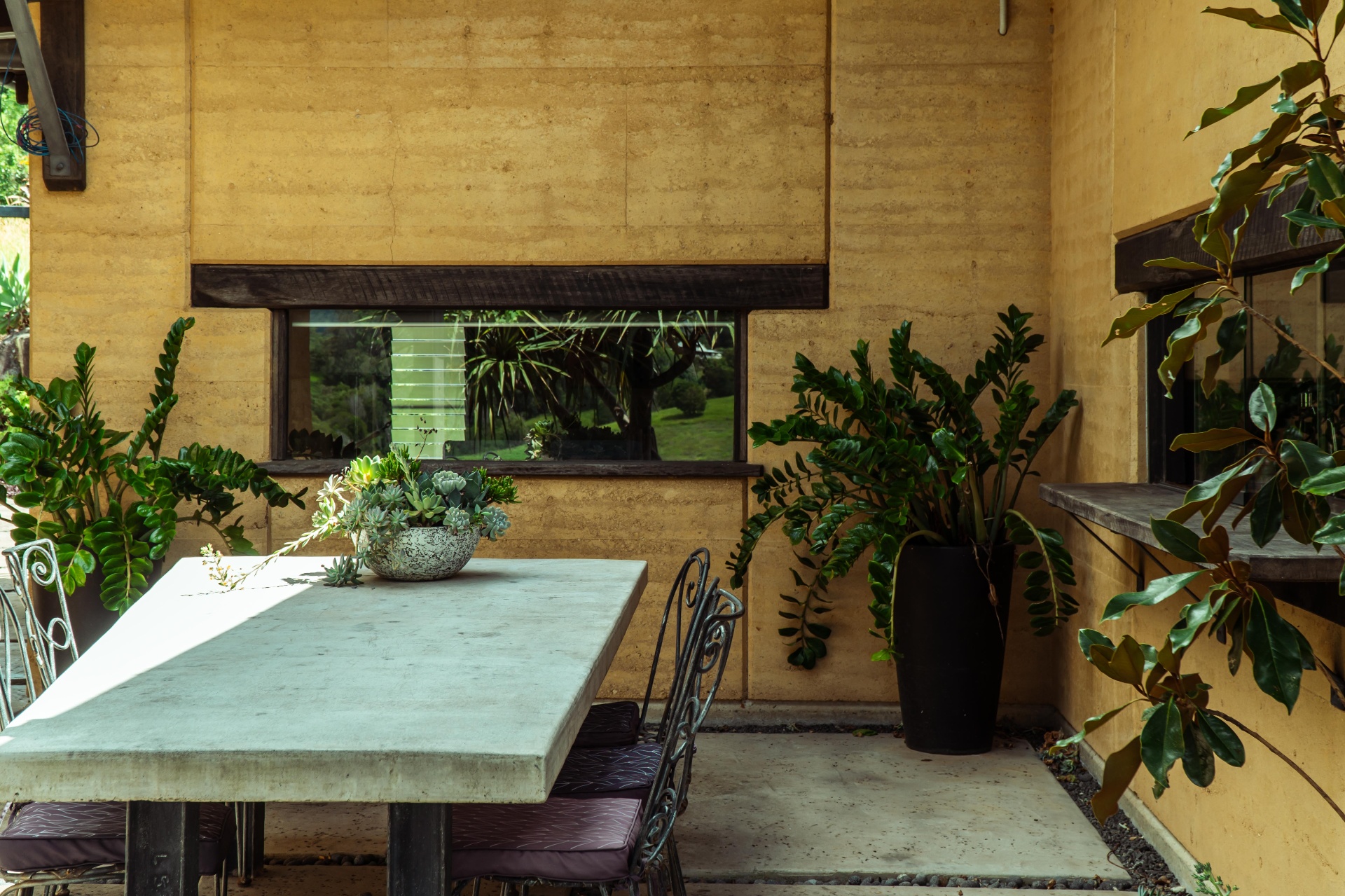
Kin Kin is a tiny village about twenty-five minutes inland from Noosa. A few hundred people, one pub, one general store, a hall and a school — and a valley that still feels like a secret.
Where the name comes from
Kin Kin is a Kabi Kabi (Gubbi Gubbi) word, from the language of the traditional owners of this country. It is generally understood to refer to the black bean tree — Castanospermum australe — which once grew thickly along the creeks and gullies of the valley.
The Kabi Kabi lived here for many thousands of years before European settlement, moving between the ranges, the lakes and the coast with the seasons. Bunya nut gatherings drew large groups from across south-east Queensland into these hills every few years. We pay our respects to their elders past, present and emerging.
Red cedar and dairy
The first Europeans to work the valley in the 1870s were cedar-getters, drawn by the enormous stands of red cedar that grew along the creeks. The cedar was cut, hauled by bullock team down to the Noosa River, and floated out to sawmills on the coast. Within a generation the biggest trees were gone.
What followed was dairy. For most of the twentieth century Kin Kin ran on butter — a co-operative creamery in the village, cream cans on the daily train down to the coast, and small farms tucked up every side road. The dairy industry has largely gone; the small farms and a few of the old dairy sheds remain.
The village today
Main Street is short. There's the Country Life Hotel — a beautiful old Queenslander pub with a wraparound verandah, cold beer and a surprisingly good kitchen. The Kin Kin General Store does coffee, breakfast and famously good pies. A hall, a school, a tennis court and a fire shed round the village out.
The population is a mix of families who have been here for generations, graziers and small-crop farmers, and a slow trickle of newcomers who found their way here looking for a quieter life. It is not a manicured place. That is much of its charm.
Getting here
From Noosa, follow the signs to Cooroy and then Pomona, and turn onto the Pomona–Kin Kin Road. The drive is part of the pleasure — cane fields flattening out into hills, then a soft green tunnel of trees as the road climbs into the valley.
Mayan Farm sits on the ridge just outside the village, a couple of minutes' drive from the pub. There is no through traffic; the road ends not long after us. That's why it's quiet.